
I am grieving
Loss of a parent or caregiver
The person who knew you before you knew yourself.
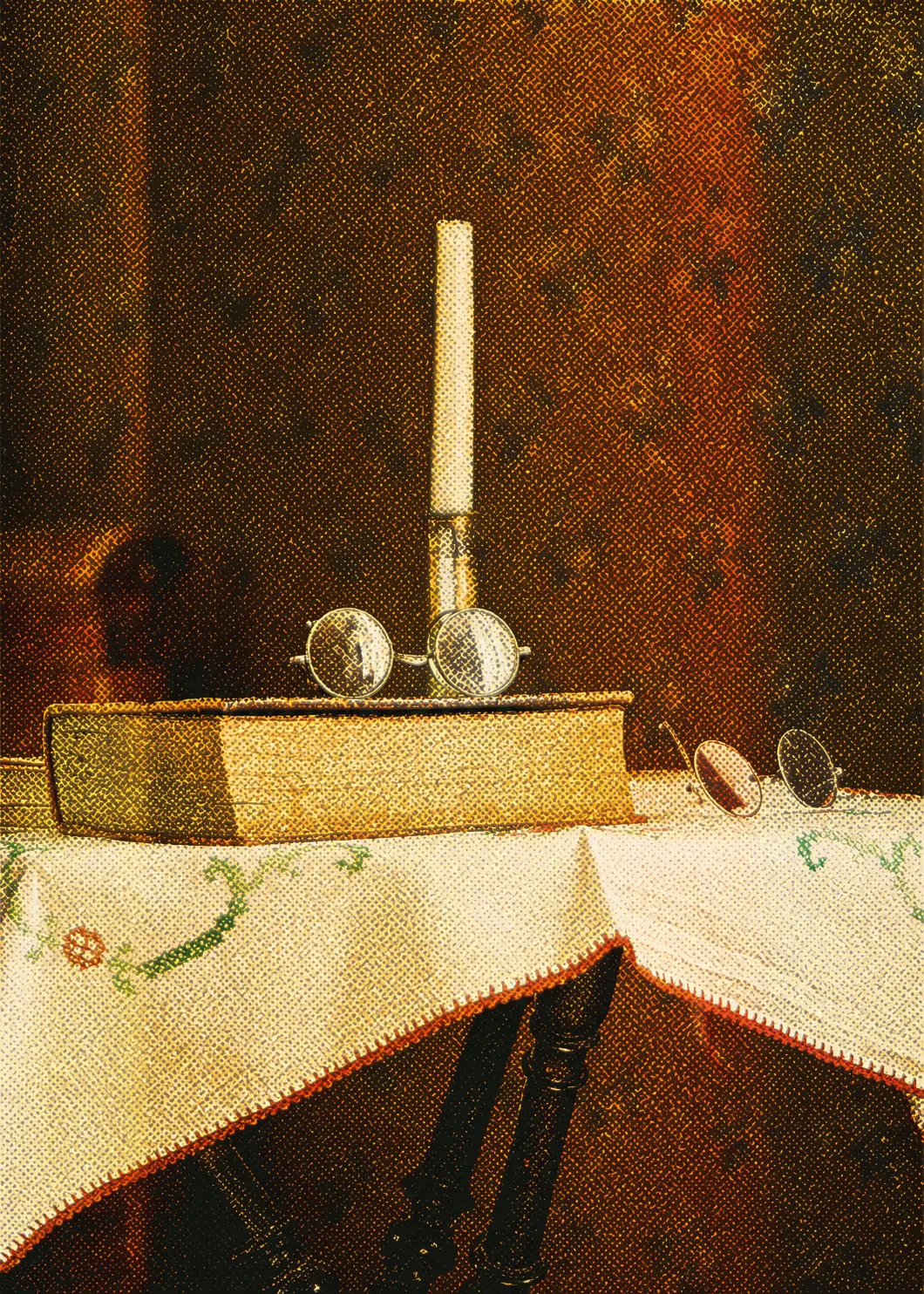
A parent (or the person who raised you) is often the first witness to your life. Their loss can feel like losing your earliest mirror. Whether your relationship was simple or complicated, recent or long-anticipated, this loss is yours to grieve fully.
Why this grief is its own particular shape
Parental loss is often minimised because it is, in some sense, expected. But expectedness does not make it small. You may find yourself suddenly orphaned even as an adult, suddenly the elder in your family, suddenly without the person who remembered the small things about you that no one else does.
What you may be feeling
- A sense of being unmoored, even if you were independent for years
- Old, unresolved feelings surfacing alongside new grief
- Relief, sometimes (especially after a long illness) and guilt that comes with it
- Becoming aware of the things you wish you had asked
- An unexpected longing for childhood comforts you did not know you missed

If your relationship was complicated
Grief does not require that someone was good to you. It only requires that they mattered. You are allowed to grieve a parent who hurt you, and you are allowed to feel relief, and anger, alongside loss. None of it makes you cruel.
If you cared for them at the end
You may carry a particular weariness, body and soul. The shape of caregiving leaves its own grief when the caregiving ends. Be gentle.

You are still someone's child, even now. The love a parent gave you (and the love you wish they had) both stay. We hold space for both.
Home for grief
When you are ready
There is nothing you must do, and no order to do it in. These are only offered, for whenever they feel possible.
Speak their name.
Tell their stories, the ordinary ones especially. Saying them aloud keeps the bond alive rather than closing it.
Gather what remains.
Ask the questions you still can, of the people who knew them. Write down what you remember. Grief for a parent is often grief for a history, some of it can still be kept.
Make a ritual of remembrance.
Light a candle, cook what they cooked, keep something of theirs close. Grief loves a place to land.
Be gentle with your body.
Grief lives in the body as much as the heart. Rest when you can, drink water, eat something, not to heal faster, but to be held through it.
Let every feeling have room.
Relief and grief, anger and tenderness can share the same hour. None of it makes you ungrateful, or cruel.
when you are ready
take the next step
no need to take all of these. take the one that feels possible today, and leave the rest for another morning.
to do, gently
Write the unsent letter.
Say everything you never got to say, the thanks, the apology, the question, the goodbye. No one need ever read it but you.
download the letter template↓ pdfto keep nearby
- The Orphaned AdultAlexander Levy
- Losing a ParentAlexandra Kennedy
there is no right pace. there is only yours.
You may also wish to read




Where to turn
Bereavement counselling, many hospices and counsellors offer grief support to families, whether or not your parent was in their care. Your local hospice is a gentle place to ask.
If your grief feels tangled with relief, guilt, or old wounds, a counsellor who works with grief can help you hold what doesn't resolve neatly.

If the days feel unbearable
If you are struggling to carry on, please reach out, you should not have to hold this alone.
SADAG (South African Depression and Anxiety Group): 0800 567 567
Lifeline South Africa: 0861 322 322