
I am grieving
Loss by suicide
A grief shaped by questions that may never be answered, and love that remains.

If you are here because someone you loved died by suicide, we want you to know something first: this is not your fault. Suicide loss is one of the most isolating forms of grief. It arrives with shock, with unanswerable questions, and often with a silence from the world that compounds the pain. You are welcome here. There is nothing you need to explain.
Why this grief is its own particular shape
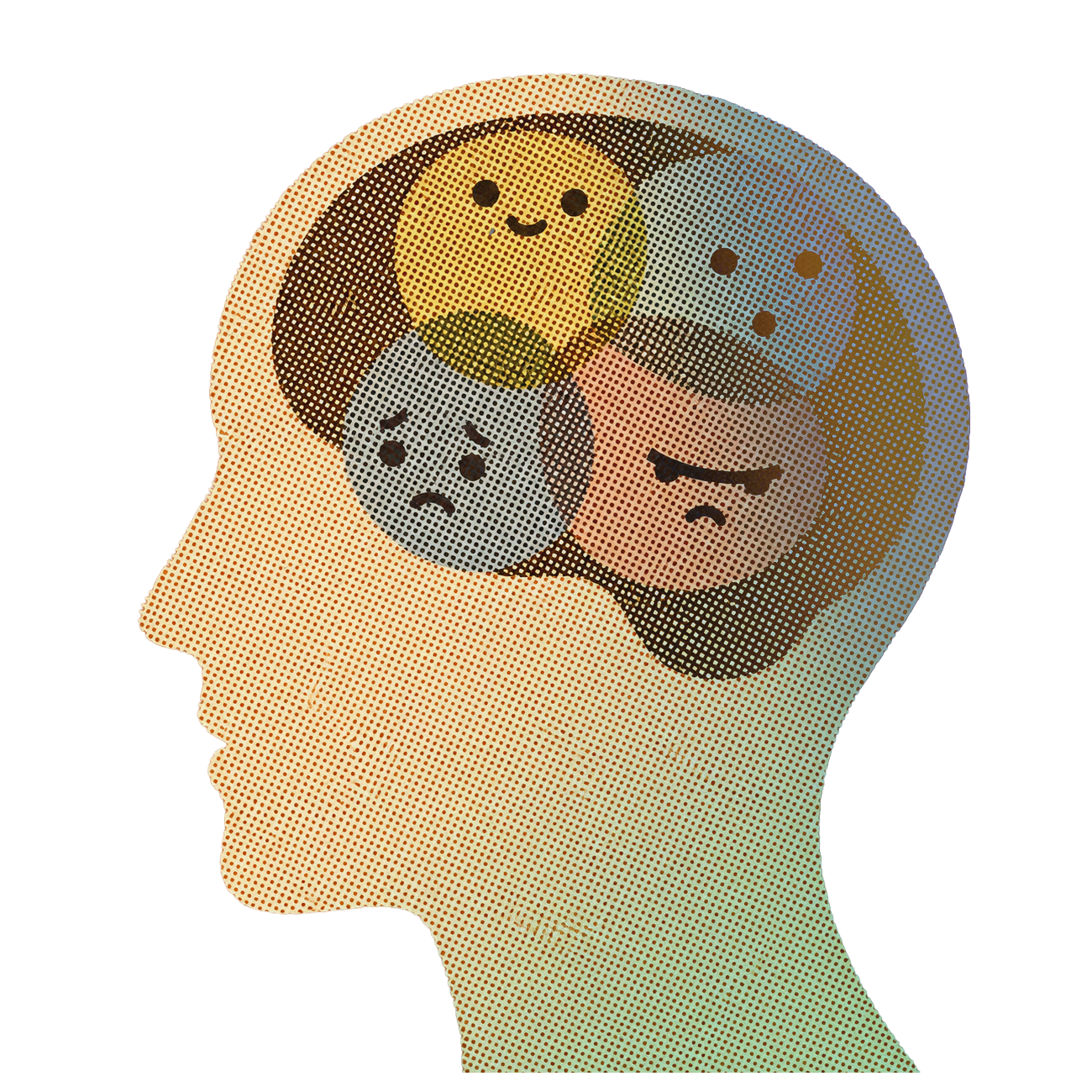
Suicide grief is different because it intertwines with trauma, guilt, and stigma in ways that other losses often do not. You may be replaying every interaction, searching for signs you missed, or blaming yourself for not preventing it. You may also feel anger (at the person, at the world, at a system that failed them) alongside deep, aching love. There is no correct way to feel. All of it belongs.
What you may be feeling
- Intense guilt, even when you know rationally you are not to blame
- Relentless questions (why, what if, if only) that circle without landing
- Anger at the person, at yourself, at a world that did not save them
- A sense of failure, as if love should have been enough to keep them here
- Isolation, because many people do not know what to say, or say the wrong thing
- Relief, sometimes, if they were suffering, and guilt for feeling that relief
If you are a parent who has lost a child
The loss of a child to suicide carries a particular devastation. You may feel you failed your most fundamental purpose. You did not. You loved them. You did what you could with what you knew. That love remains real, even now.
If you are a partner or spouse
Losing a partner to suicide can feel like losing your shared future and your shared past at once. You may question the relationship, the signals, the life you built together. Your grief is valid, and it is heavy. You do not have to carry it alone.
If you found them or were there
Witnessing or discovering a suicide is a specific trauma that few understand. You may have intrusive images, flashbacks, or a sense of unreality. Please seek trauma-informed care. This is not a grief you are meant to process without support.

There may always be questions. There may always be ache. But there is also the love you had, which did not disappear with their choice. You are allowed to grieve. You are allowed to be angry. You are allowed to need help. We are very glad you are here.
Home for grief
When you are ready
There is nothing you must do. These are only here for whenever they feel possible.
Set the questions down, when you can.
The why and the what-if may circle for a long time. Some questions never resolve. You can love them, and grieve them, without the answers.
You do not have to carry the silence.
This loss isolates because others fear saying the wrong thing. You are allowed to break the silence first, to say their name, to ask for company, to be honest about how heavy it is.
If the images or flashbacks stay, reach for trauma care.
Intrusive memories after a suicide loss are not weakness, they are trauma, and there are people trained to help with exactly this.
when you are ready
take the next step
it wasn't your fault. this is one of the most isolating griefs there is, and you do not have to carry it alone. there is nothing you must do, these are only here for whenever they feel possible, and support is always close.
to read
on survivor guilt, why this grief feels different, and the silence others keep.
when words are stuck
write a letter that begins, "what i wish you knew…"
for the things left unsaid. there is no right way, and you can stop whenever you need to. you do not have to do it alone.
the love did not disappear with their choice. we are very glad you are here.
You may also wish to read
Grief After Suicide Is Different, And That Matters

The Silence That Follows
Guilt, Anger, and the Emotions We Don't Talk About

Holding Memory Without Being Consumed by the "Why"

The Questions That Have No Answers

The Guilt That Is Not Yours to Carry
When Anger Lives Alongside Love
Grief in a World That Does Not Know How to Talk About It
Where to turn
Trauma-informed and suicide-loss support, suicide bereavement has specific support that understands the guilt, the questions, and the stigma. Ask a counsellor, clinic, or SADAG (below) what is available near you.

If you are struggling
If you are in pain right now, or finding it hard to keep going, please reach out, you are not alone, and there are people ready to help, day or night.
SADAG (South African Depression and Anxiety Group): 0800 567 567
Lifeline South Africa: 0861 322 322
SADAG operates a 24-hour helpline; if you are in immediate danger, please contact your local emergency services.